- MUNCH & MOVE
- HEALTHY EATING
- PHYSICAL ACTIVITY
- SCREEN TIME
- POLICIES AND MONITORING
- PROFESSIONAL DEVELOPMENT
- NEWSLETTER AND SNIPPETS
- EMBEDDING ABORIGINAL PERSPECTIVES
- CONTACT US
Physical activity
On this page, you’ll find a range of resources to support the embedding of Aboriginal perspectives through physical activity.
Yulunga: Traditional Indigenous Games
Yulunga: Traditional Indigenous Games is a collection of games from Aboriginal and Torres Strait Islander nations. These activities provide opportunities for children to learn about and experience aspects of Aboriginal and Torres Strait Islander cultures.
Click here for the full Yulunga: Traditional Indigenous Games resource, which includes background information and instructions for each game. While designed for children from Kindergarten to Year 12, many games can be adapted for preschool-aged children.
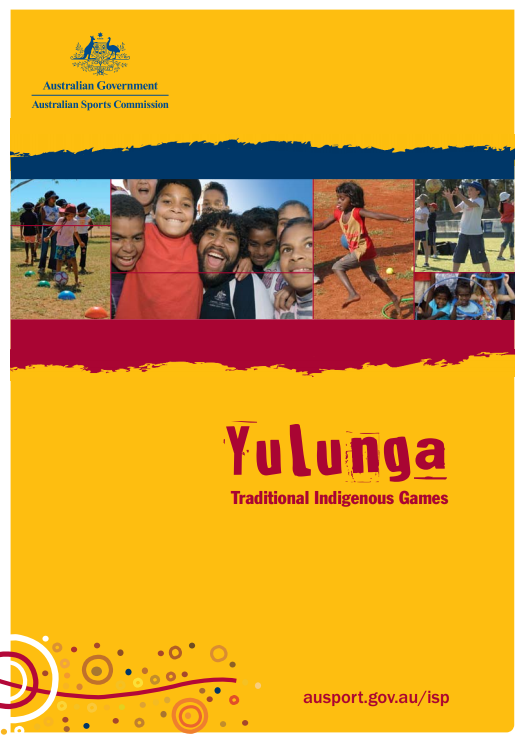
The following games have been adapted from the Yulunga: Traditional Indigenous Games, by the Good for Kids team. These games are suitable for preschool-aged children:
Koolchee Koolchee - ‘Kool-chee Kool-chee’
Music and dance
Aboriginal culture can be embedded in your music and movement program through the use of Aboriginal music or songs sung in Aboriginal language. You might ask Aboriginal children and families about their favourite artists, or explore Aboriginal music and include it in movement and dance experiences.
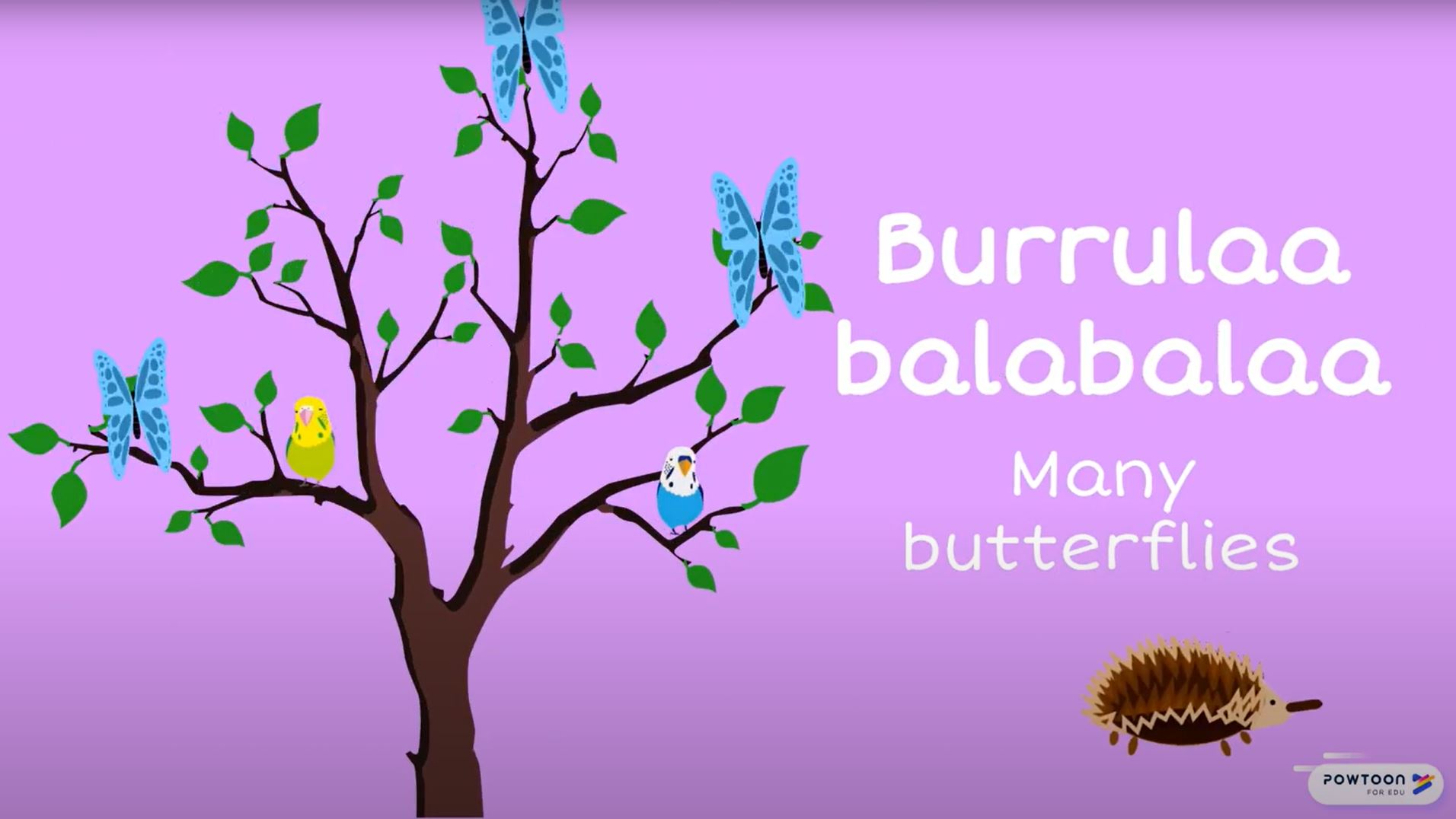
Here are a few songs you can use to encourage music and dance:
- Heads, Knees and Toes in Awabakal language, sung by the Captain Starlight team in Awabakal language for NAIDOC in 2021.
- Twinkle, Twinkle Little Star, sung in Gamilaraay language from Yaama Gamilaraay!
- Burrulaa Balabalaa (Many Butterflies), sung in Gamilaraay language from Yaama Gamilaraay! Ask the children to move like each animal named in the song.
Acknowledgement of Country
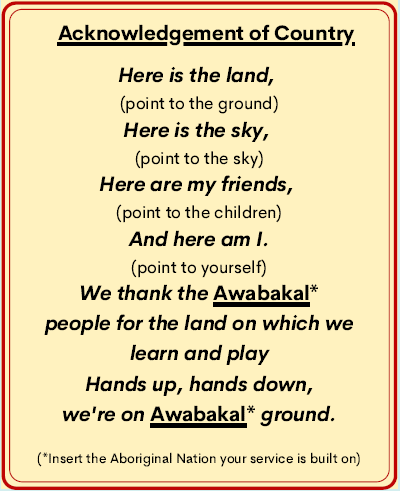
An Acknowledgement of Country shows respect for Aboriginal peoples as the Traditional Custodians of the land on which we live, work and play.
You might use this example Acknowledgement of Country at your service, which includes gestures to encourage movement and support child engagement.
Alternatively, you may choose to work with local Aboriginal people to develop an Acknowledgement that reflects your community.